
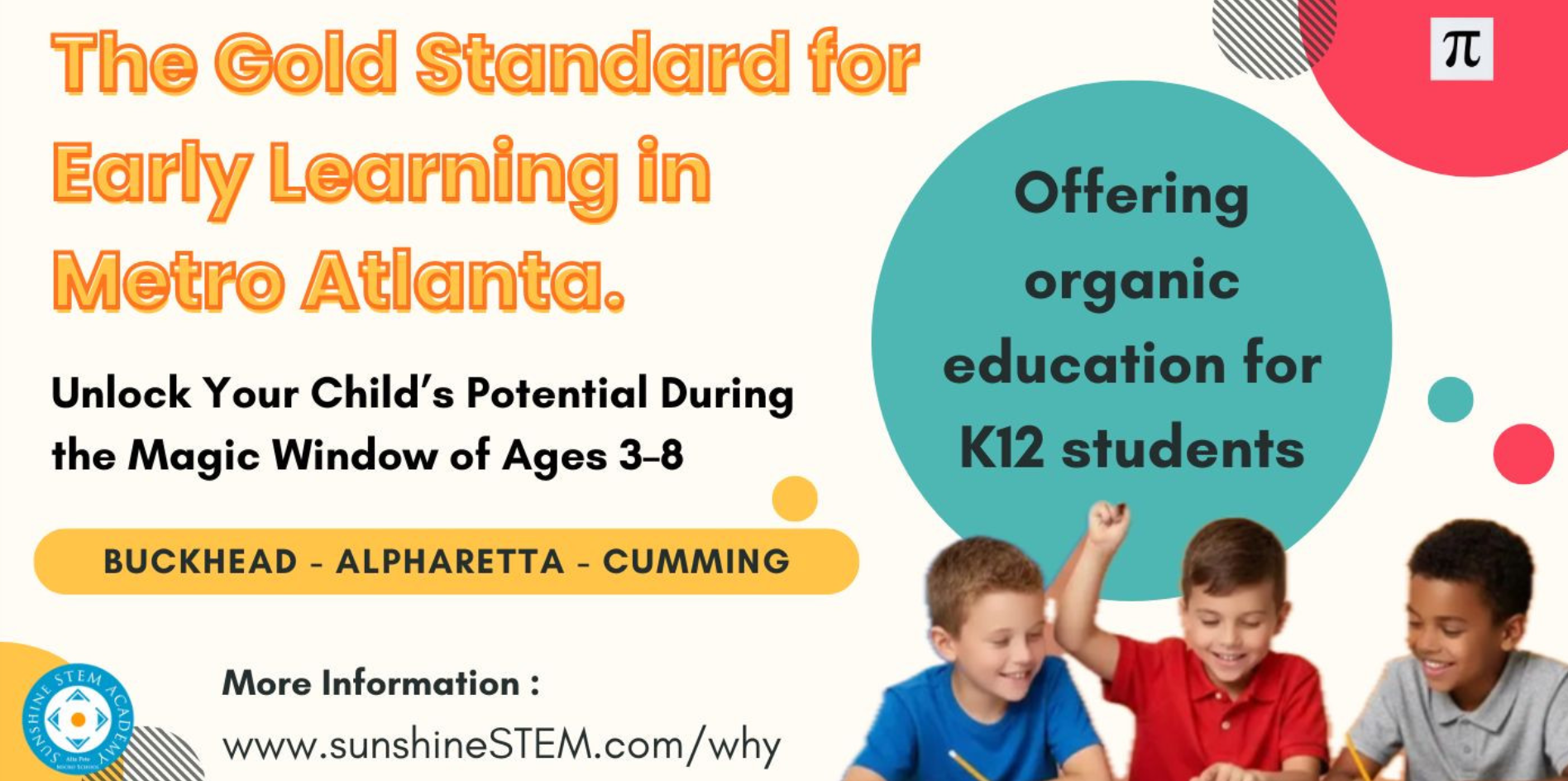
“Magic Window of Ages: 3-8”
At the heart of our mission is a commitment to evidence-based education. Research consistently shows that the window between ages 3 and 8 is the most critical period for establishing a child’s lifelong academic and professional trajectory. Our approach is grounded in three core pillars of developmental science:
The “Gatekeeper” Effect of Early Numeracy
While literacy is vital, longitudinal research (notably Duncan et al., 2007) reveals that early math skills are the single most powerful predictor of later academic success—even surpassing early reading abilities.
-
The Logic: Early numeracy isn’t just about counting; it builds the “neural scaffolding” for algorithmic thinking and complex problem-solving.
-
The Long-term Impact: Mastery of number sense by age 8 is the direct precursor to success in Algebra, which remains the primary “gatekeeper” subject for high-growth STEM careers.
The Shift from “Learning to Read” to “Reading to Learn”
The transition that occurs around 3rd Grade (Age 8) is a pivotal moment in a child’s development.
-
The Threshold: Before age 8, children focus on decoding and fluency. After this point, the curriculum shifts; students must use their reading skills to acquire knowledge in science, technology, and social studies.
-
The Career Link: Literacy in middle childhood evolves into Information Synthesis—the ability to analyze data and communicate complex ideas—which is among the top “durable skills” demanded in the modern global economy.
Building the Cognitive Architecture for STEM
Our programs bridge the gap between foundational skills and career-related subjects. By focusing on literacy and numeracy in early elementary school, we are developing the Executive Functions—working memory, cognitive flexibility, and inhibitory control—that allow children to excel in technical fields later in life.
Our Evidence-Based Commitment
We don’t just teach subjects; we follow the Heckman Equation, which proves that the highest economic and social return on investment comes from high-quality early childhood development. By strengthening these core competencies now, we ensure our students are not just prepared for middle school, but are positioned as leaders in the future workforce.
Key References for Further Reading
-
The Heckman Equation: The ROI of Early Childhood Development.
-
Developmental Psychology: School Readiness and Later Achievement (Duncan et al.).
-
STEM Education Review: The Link Between Early Math and Middle School GPA.
-
Why STEM Education Is Important: Francis Eberle, Ph.D., the former executive director for the National Science Teachers Association.